How to Treat Hoof Rot in Sheep: Fast Relief & Long-Term Prevention
Hoof (foot) rot is every shepherd’s nightmare—sudden lameness, a foul odor, and ewes that refuse to graze. Left unchecked it slashes weight gain and invites costly secondary infections. The good news: with prompt, disciplined action you can reverse an outbreak in days and keep it from returning.
Why Early Treatment Matters
-
Stops pain and lameness quickly
-
Prevents spread to healthy sheep
-
Protects body condition and wool quality
-
Cuts antibiotic and labor costs long-term
7-Step Plan: How to Treat Hoof Rot in Sheep
-
Isolate the lame sheep to stop bacteria (Dichelobacter nodosus) spreading through wet soil and bedding.
-
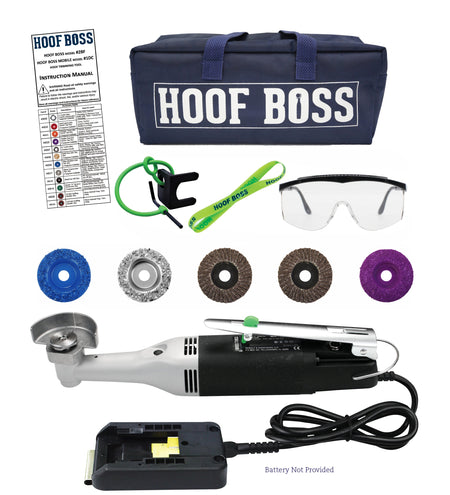
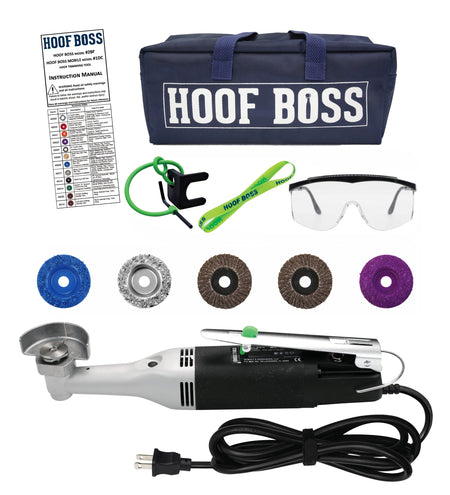
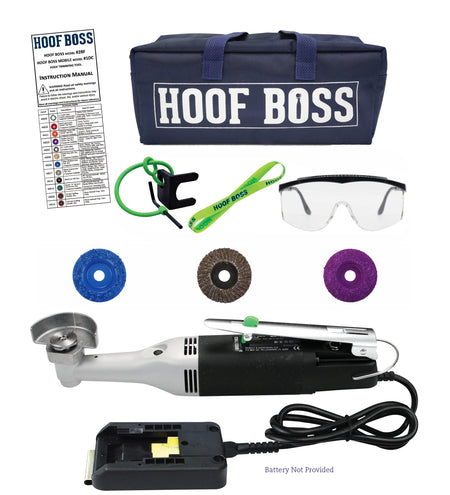
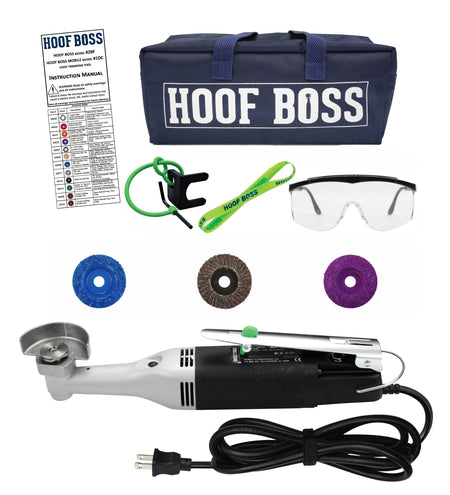
Clean the hoof with a stiff brush, then use the Hoof Boss Electric Trimmer (coarse disc) to remove overgrown horn and expose infected pockets—trim conservatively; never cut to blood.
-
Flush the lesion with a firm stream of warm water or saline; blot dry with disposable towels.
-
Apply topical antibiotic spray (oxytetracycline or equivalent) over the entire interdigital space and trimmed sole.
-
Soak in a 10 % zinc sulfate footbath for five minutes, then keep the sheep standing on dry ground for 30 minutes so the solution penetrates.
-
Give systemic coverage: one long-acting oxytetracycline injection (dose per veterinarian) tackles deep infection and unseen lesions.
-
Re-examine in 48 hours; repeat steps 3-6 if heat, odor, or lameness persists, then move the sheep to a clean, well-drained paddock and run the entire flock through weekly zinc footbaths for three weeks.
Tools & Supplies
Have the Hoof Boss Sheep Trimming Set (coarse and fine discs), disposable gloves, a stiff hoof brush, a portable sprayer for antibiotic solution, a sturdy plastic footbath, zinc sulfate powder, long-acting oxytetracycline, clean towels, and a dry catch pen or stanchion ready before you start.
Prevention Tips
Keep pastures well-drained, gravel high-traffic gateways, and lime muddy areas. Trim hooves every 6-8 weeks with the Hoof Boss to eliminate pockets where bacteria hide. During wet seasons, schedule weekly zinc sulfate footbaths for the whole flock. Vaccinate high-risk breeds twice a year and cull chronic carriers that fail to respond after two full treatment cycles.
FAQ
Is copper sulfate better than zinc? Zinc is gentler on skin and equipment; copper works for stubborn strains—consult your vet before switching.
Will trimming alone cure hoof rot? No. Trimming removes diseased horn, but bacteria remain; always pair with medication and footbathing.
When can treated sheep return to pasture? Once they walk soundly on dry ground and the lesion shows healthy pink tissue—typically 3-5 days—move them to a paddock that’s been sheep-free for at least two weeks.
Final Thoughts
Fast, thorough treatment is the difference between a single sore ewe and a flock-wide disaster. Equip yourself with the Hoof Boss Sheep Complete Set, keep zinc sulfate on hand, and act at the first sign of a limp. Ready to keep your flock light on its feet? Shop Sheep Hoof Care Tools and stay ahead of hoof rot all year long.